
Tech Then vs. Tech Now: Two Completely Different Worlds
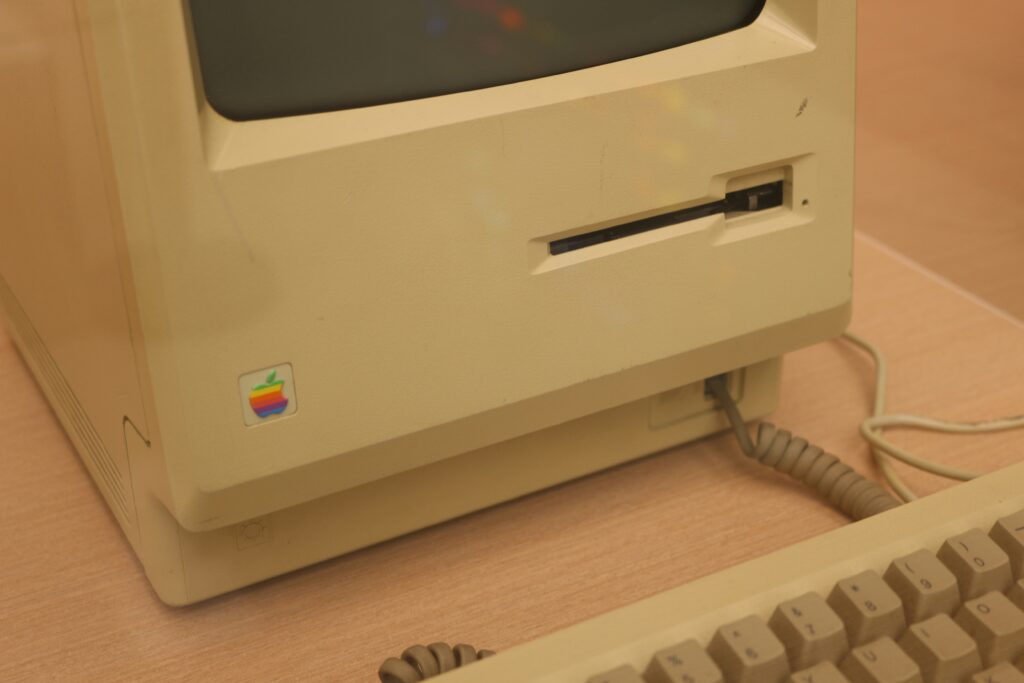
Technology today is a very different creature than what I grew up with. Back in my day, technology in school basically meant the computer lab, rooms with rows of chunky desktops where we learned how to type, make PowerPoint slides, and use Microsoft Word. Our classrooms still relied on ancient projectors that got wheeled in on a cart, and those giant boxy TVs reserved for Bill Nye or the occasional documentary. (Below is a little refresher for ya on our boy BILL)
We didn’t have laptops. If a class needed computers, we booked the lab. Even in art class, we trekked down to the lab just to look up reference photos or Pinterest ideas. We had a couple of smart boards by the time I graduated, but overall it was a pretty low-tech environment, maybe because it was rural, maybe because of funding, or maybe because I’m just getting old. Honestly though, I’m kind of glad. (But wow… I do wish Canva had existed back then.)
Today’s classrooms feel like stepping into a different universe. Smart boards, UFLY, zoom, school iPads, tablets, Seesaw, everything is digital. Kids navigate it all effortlessly, while I’m still trying to remember which password goes to which app. I see how amazing it can be for different types of learners, especially for visual or auditory kids, but I’d be lying if I said I wanted to be super high-tech myself. Maybe I’m stubborn, maybe I’m silly, but I’m kind of okay not being the Excel Queen of the century. Which is probably why this course has felt like such a challenge… but I digress!
In-Situ at Marysville: A Stop Motion Adventure
What Happened?
During our in-situ at Marysville Elementary, our group of three teacher candidates worked with three students to create a stop motion animation using Stop Motion Studio. The kids had huge personalities, two were already buddies, and the third didn’t quite fit into their dynamic, which made things challenging later on. Our goal was to guide them through planning and filming a short clip while giving them creative ownership. In hindsight, I wish we had been better prepared.
What Was I Thinking and Feeling?
At first, I was excited. Stop motion feels like the perfect mix of tech and creativity. But the space was loud and cramped, and the group dynamic was tougher than expected. I was feeling overstimulated myself, so I understood why some of the students were struggling. When one student became upset, I felt concerned and a bit unsure about how to handle it. On top of that, I felt like I wasn’t getting the chance to contribute as much as I wanted within my teacher candidate group, which was frustrating, but helpful for my own learning about co-teaching.
How Did It Go?
The good news: the students had incredible ideas and were excited about creating the story. The not-so-good news: the second the iPad came out, things went sideways. One student became hyper-focused and started taking over, so we had to quickly assign roles and keep the iPad with a teacher candidate to regain some control.
Even then, collaboration was tough, and our third student became overwhelmed and started crying. It was a clear reminder that we’re still new to classroom management and supporting diverse emotional needs. Still, the kids pulled it together, created a really fun final clip, and were so proud to show it off later. The activity definitely worked but it needed more prep.
What Did I Learn?
This experience really highlighted how much student personalities and emotional needs shape group activities. Stop motion can be incredibly engaging, but it also requires strong scaffolding, clear roles, and flexibility. We realized how important it is to plan ahead for students who may feel frustrated, left out, or overstimulated. Simple changes like defining roles before the iPad comes out could have made a huge difference.
Conclusion
Overall, the in-situ showed the power and the challenge of tech-based collaborative projects. Stop motion sparks creativity, ownership, and engagement, but it also requires thoughtful planning to ensure all students feel supported. Participation isn’t always equal, and inclusivity takes intentional structure.
Action Plan
Next time, I’d:
- Assign roles based on student strengths and comfort levels
- Have calming strategies and alternative tasks ready
- Check in frequently to make sure all students feel included
- Provide extra guidance for students who struggle with group dynamics
- Teachers control the iPad if students are unable to share
With the right preparation, stop motion can be a wonderful, positive experience for everyone.
Why Stop Motion Is something I can get Behind
Stop Motion is such a fun, accessible, hands-on storytelling tool. Like in the video above, felt-mation? There are so many variations. Claymation (hello, Wallace and Gromit), paper cut-out animation, Lego or toy animation, silhouette animation, even pixelation using real people. Each style offers different levels of complexity, which makes it flexible for any age group.
It blends art, technology, collaboration, and critical thinking all in one project. And honestly? For today’s classrooms, it’s a perfect example of how tech can support creativity instead of replacing it.
Photo by Tamara Malaniy on Unsplash