How Do Gardens Build Community?
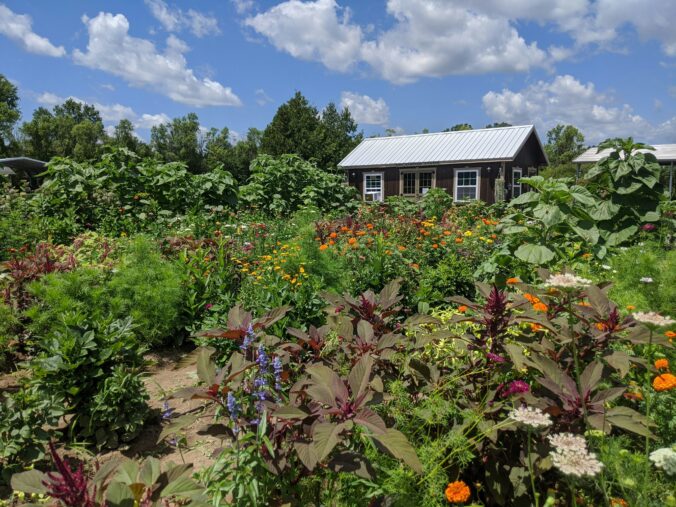
Kimberley Edible Gardens & Greenhouses photo
Here is a great video that will tell ya all about it
A Garden is a Place Where People Can Gather
Gardens are community hotbeds. It is a hobby, a career, and an integral part of our food systems. It is a place where you can find a vast wealth of knowledge, resources, tips and tricks. Ever wonder why gardeners are so happy? Maybe because they’re all so down to earth (haha get it? Gardening puns for the win) Gardeners are often kooky, passionate people and if you need help getting started, working on a new project or just wanting to share extra seeds or starts, the gardening community is a wonderful place to go. Food shares, garden shares and community gardens all rely on those essential things: community, relationships and connections. People love to garden, people love to share their gardens and share their harvest (especially zucchinis, those pesky buggers!) Gardening used to be a necessary and vital part of life, but it is a life skill we’ve unfortunately moved away from in the modern world of convenience grocery stores and factory farms. Thankfully it is becoming popular again amongst young people and families, especially the value of shopping local and supporting family farms. Instead of just retirees taking up gardening as a pastime, we are seeing gardens pop up in backyards, schools and community centers with more and more people learning how to garden as we relearn the value of growing our own food and I say hurrah for that!
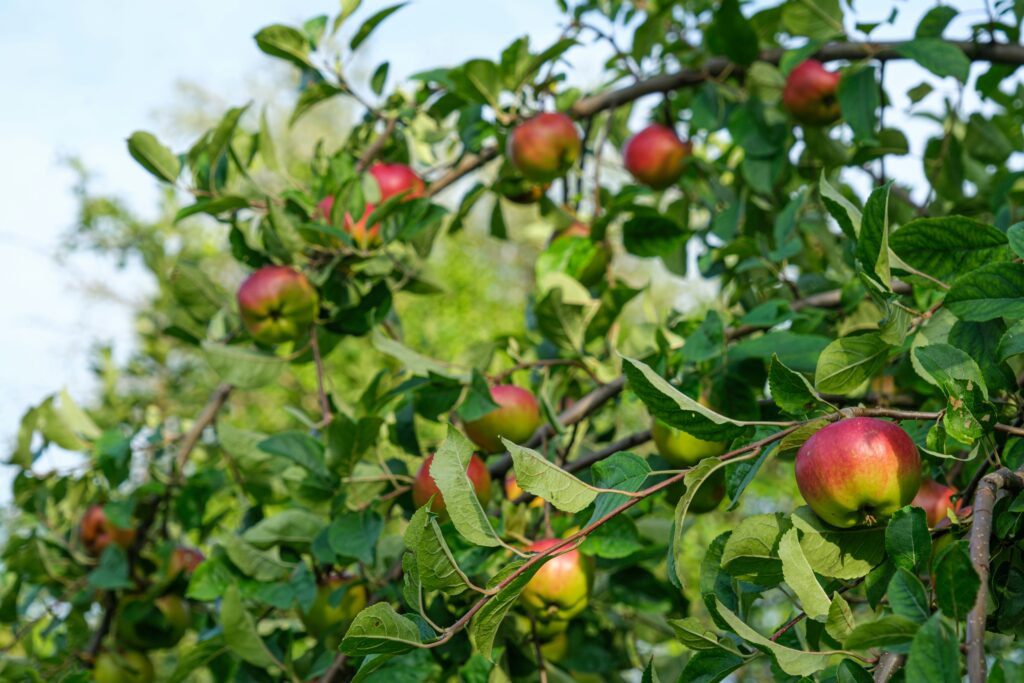
Harvest Time, Sharing Meals and Connection to Food
We have spoken heaps on the physical, nutritional, emotional, social, cognitive and environmental benefits of gardening, and I promise I am almost done, but one more topic I need to preach about is how school gardens can give back to and build up our communities through reciprocity. So, as we now know, school gardens are a great educational tool for various parts of curriculum. They are a way to incorporate learning about local food sources and systems and discover new fruits and vegetables just to name a few. But what do we do now that we’ve grown all this beautiful food? Why eat it of course! Cooking and sharing the food harvested from a school garden or community garden makes room for a much bigger impact on community food security, or school food security. Providing or supplementing food programs with school grown produce allows for a full circle moment from seed to table to community. It is a great opportunity to bring in students’ families for a harvest dinner, grandparents for a class canning lesson, teaching how to process excess food for winter, sharing family recipes or meals, local gardening tips and on and on. All of these ideas come together to share the joy of gardening with others.
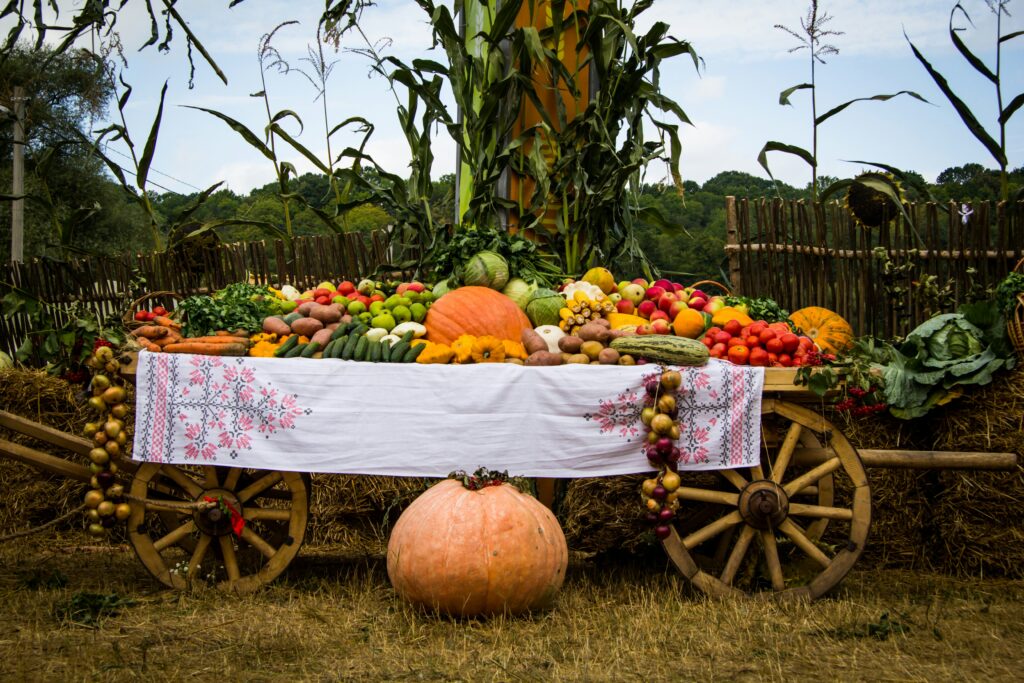
A garden is truly a place where people can gather, rejoice in the beauty of the natural world, see the impacts of plant productivity and see all of their efforts hard at work. Sharing the harvest is an essential part of what it means to be a gardener (at least to me) Dropping off extra produce to families who need it or helping elderly neighbors get their canning done are all meaningful ways we can impact our community for the better. Taking time to weed a friend’s garden, will certainly ensure they will return the favor one day. Picking neighboring fruit trees abundance, and baking a fresh pie for your neighbor, are all elements of sharing the workload. By sharing the workload, it usually goes hand in hand with sharing the joy. Recipe sharing for a good tomato year can teach new skills to process certain foods. Teaching the class your grandmother’s famous salsa recipe or your uncle’s favorite jam is a great way to incorporate community connection into the classroom. Get your classes families involved, and share a meal, the oldest (and best) form of connection is sharing a meal with someone. Have class parties in the garden, use it as an outdoor learning space and host school dinners using the produce the students have grown to give back and feed their community.
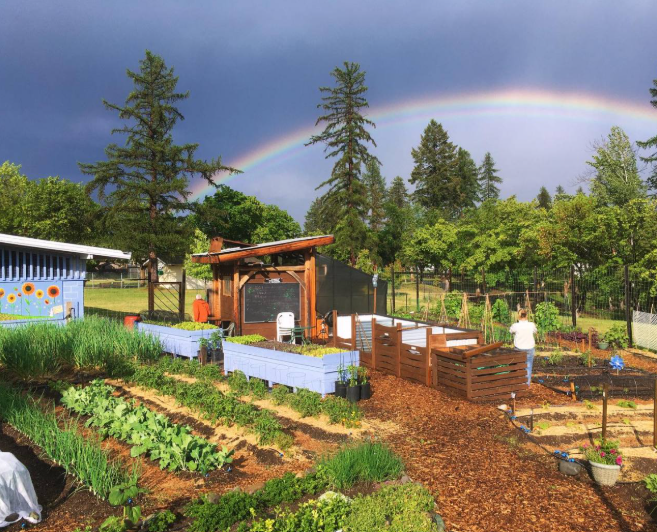
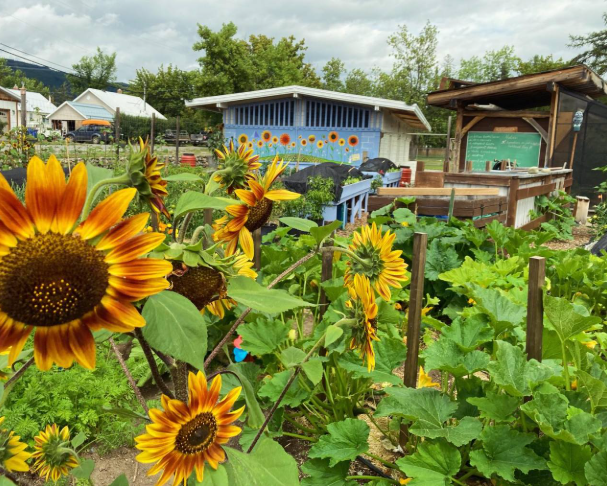
Kimberley Edible Gardens & Greenhouses photo
Food Security Initiatives From Our Community
Where I live, we are lucky enough to have the Healthy Kimberley, Food Recovery Depot. This is such an incredible community initiative, that takes food waste from surrounding grocery stores and gardens and makes meals that feed our community in so many ways. The Kimberley Edible Gardens and Greenhouses, (KEGG) is one of Kimberley’s many community gardens, and together the KEGG donates fresh produce weekly to the Food Recovery. This produce goes right back to the most vulnerable in our community in the form of homemade meals, fresh fruits and veggies. Anything excess from the Food Recovery goes to the public access community fridge which provides food access to the general public. And to make it even better, anything inedible goes straight to the farm program to feed local livestock, talk about full circle, no waste! Wildsight’s Community Garden is also another community space in Kimberley that is connected to the Food Recovery. Wildisght also hosts numerous community workshops, such as learning how to seed save, canning, and started many vital community projects such as the apple capture program, which allows community members to borrow equipment year round to help with harvest time and food preservation. All of which helps to decrease Kimberley’s food insecurity and help build community in Kimberley and Cranbrook. Non profits like this are just many ways community gardens build reciprocity and how one small idea can become so much bigger. So, I wonder how we can build our community schools to support and create more initiatives such as these?
When you really break it down, gardens are a host of vast forms of community, plant communities, soil communities, fungal communities, insect communities, and human communities. We all need community, and gardens are such serviceable community members.
Gosh I just love gardens, don’t you?
Up next: How to start your own school garden and a seed saving/starting activity for kids.
More resources:
https://www.healthykimberley.com/food-recovery-depot.html
Photography by Unsplashed:
Photo by Roberto Sorin on Unsplash