
Social-Emotional Development: Can Gardening Make Us Better People?
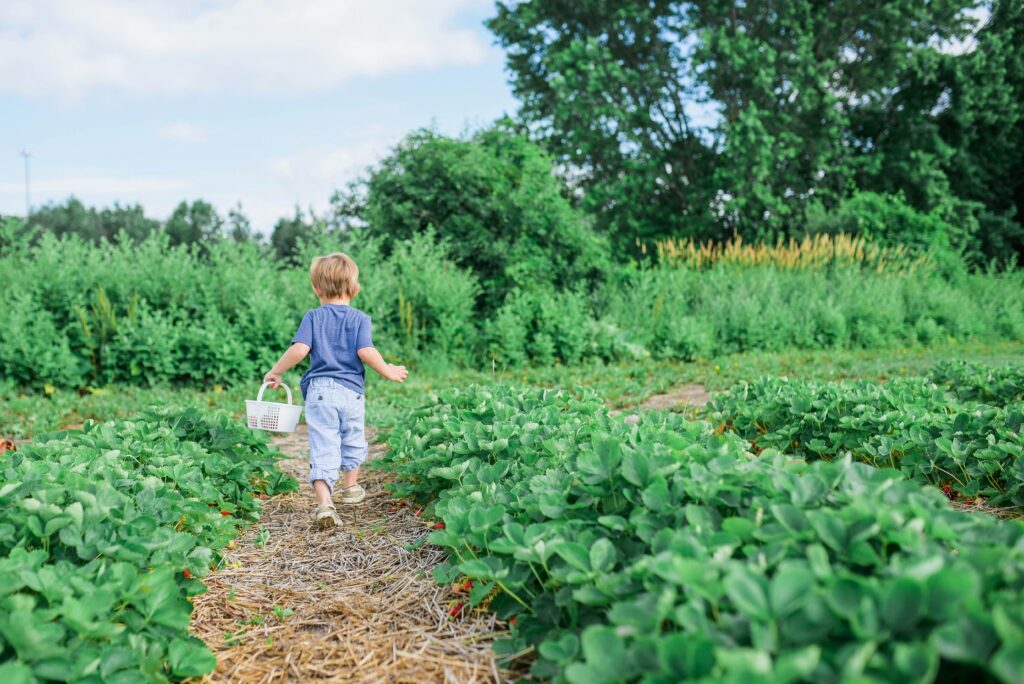
Beyond the academic benefits, gardening also helps children grow socially and emotionally. How, you might ask? School gardens can boost students’ attitudes, confidence, and motivation by giving them something they can take pride in. Being part of a garden encourages teamwork, brings students together, and creates endless opportunities for new friendships to form (some of my closest friends are the ones who help me weed and harvest!). Gardening also promotes mindfulness and helps students manage their emotions. The calm, repetitive nature of gardening like weeding, planting seeds, or watering, slows the mind down and gives students time to think, reflect, and work through any worries. We all know getting outside makes us feel better, but I wanted to understand why. Can gardening really support students’ social-emotional growth and overall well-being? Spoiler alert: it sure can!
The science of why we need nature to be our best selves
Mindfulness as a Veggie Patch
In terms of emotional well-being, being outdoors and engaging with plants has been known to reduce stress, increase positive feelings, and improve attention, all of which support better learning later on in the classroom. Gardens and nature therapy are ways to support students’ mindfulness. Mindfulness is a hot button topic, and it has become an essential tool in supporting students’ mental health. When children engage in mindfulness, whether through breathing exercises, reflection, or mindful movement, they develop the ability to pause, observe their emotions, and respond thoughtfully rather than react impulsively. These skills build tools for self-regulation and can help students manage stress, anxiety, and frustration in healthier ways. All of these tools are highly translatable to and are unknowingly practiced in a garden space. Practicing mindfulness in guise of gardening can later on improve concentration and focus, allowing students to engage more calmly in their learning. On a broader level, mindfulness is a sense of calm and self-awareness that supports positive relationships and overall mental health. When integrated into the school day through a school garden, it can create a more peaceful classroom environment, where students feel seen, heard, and connected. We are currently facing an epidemic of students with overwhelmed, anxious and worried brains. A positive solution might be hidden in plain sight: School gardens! Gardening can support students’ mind body connection through the process of slowing down and grounding themselves by getting their hands in the dirt, fresh air in their lungs and their feet on the grass (and eat a tasty snack or two).
Social-Emotional Development from the Perspective of a Gardener
Garden activities give and teach children responsibility and purpose (caring for a plant), patience (waiting for growth) and a sense of accomplishment and satisfaction (harvest). Gardening teaches children the benefits of patience and hard work, skills that translate right back into the classroom. As they witness the fruits of their labor, the sense of excitement in helping things grow is contagious. Gardening together naturally creates peer communication and cooperation. By sharing tools, deciding what to plant and where to plant, students learn how to build social-emotional skills like communication as well as learning how to collaborate. Taking turns watering or weeding the garden plot, deciding what should be planted and where, what types of seeds to sow, and sharing the task of harvesting all contribute to building social-emotional skills as well as providing a child’s sense of inclusion and belonging, because a garden is for everyone! So here are the facts:
- Children develop responsibility when caring for plants over time
- Seed starting, watering, weeding, and harvesting all teach time-management, accountability, commitment and patience (extra heavy dose on the patience)
- School gardens operate as a collective whole, where everyone can contribute, which promotes belonging and inclusion
- Many small tasks help create one big, beautiful garden for everyone to enjoy
“Do your little bit of good where you are; it’s those little bits of good put together that overwhelm the world.” Desmond Tutu
This quote really made me feel better about how much money I spend on seeds each year, because I am doing my little bit of good right?
Here is a cool video, from a young person perspective: the benefits of gardening
So as we can probably deduce by now, gardening is so much more than just planting seeds in the dirt. It’s an experience that helps students build social-emotional skills, practice mindfulness and helps them self-regulate. As children watch the plants they’ve cared for grow, they learn responsibility and patience, realizing that real growth takes time, attention, and consistency. This hands-on process gives them a sense of pride and accomplishment, boosting confidence as they see the results of their hard work come to life. Gardening encourages teamwork and cooperation, since students share tools, space, and ideas to keep their garden growing. Along the way, they learn to communicate, solve problems together, and celebrate each other’s successes. Beyond the social side of things, gardening offers emotional balance. Students often find calm and happiness just by being outdoors. The feel of the soil, the sound of leaves, and the joy of watching something flourish under their care. In a world full of overwhelm and stress, gardening gives students a chance to slow down, reconnect, and regulate. I will end this post with a quote from the iconic Audrey Hepburn: “To plant a garden is to believe in tomorrow.” Well said!
Tune in next time for my next post, all about how gardens can make children environmentally conscious citizens of the world, and how gardens can support Indigenous Peoples’ knowledges in the classroom.
Here are some interesting articles to explore more on this post:
https://pmc.ncbi.nlm.nih.gov/articles/PMC9389296
Unsplashed Photography:
Photo by Meg MacDonald on Unsplash
Photo by Paige Cody on Unsplash
Photo by Lawrence Aritao on Unsplash