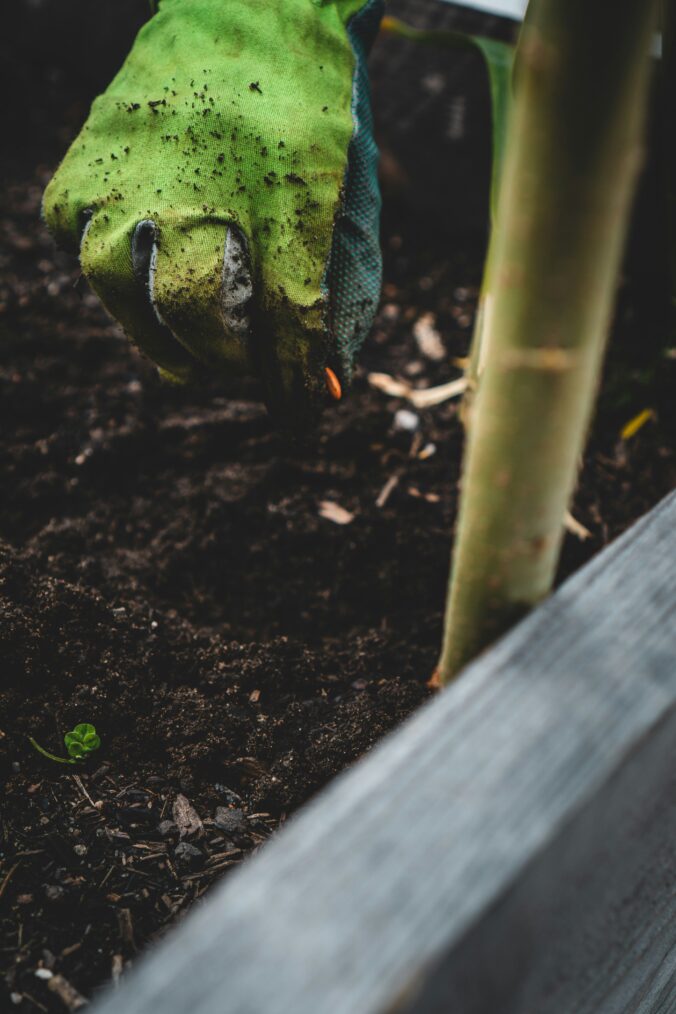
Place-based Learning & Environmental Stewardship through Gardening
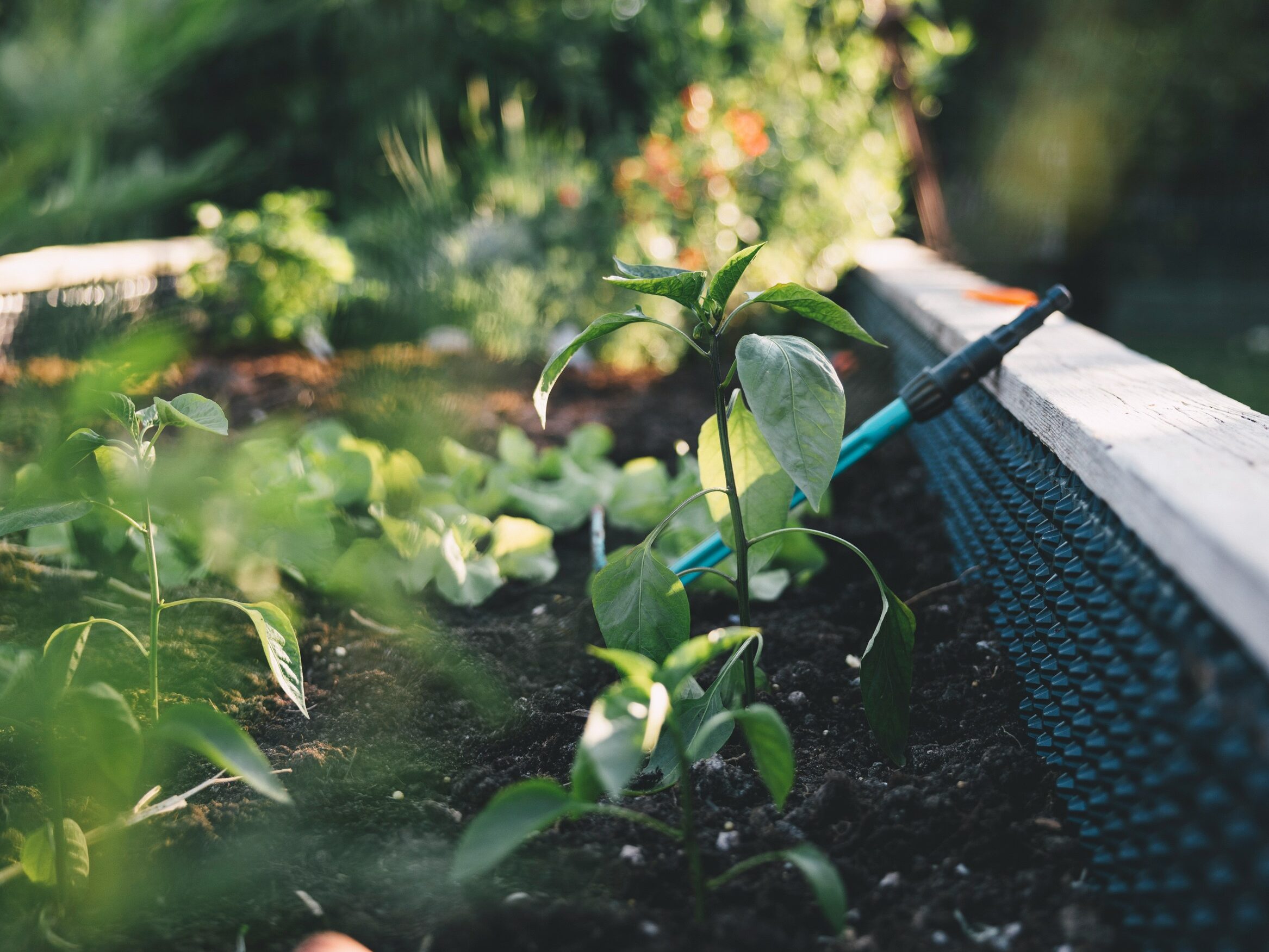
One of the biggest reasons I was drawn to teaching is the opportunity to garden with kids (well maybe not the only reason). I want to help young children learn about the earth, understand climate change impacts, and discover ways they can care for their planet. I can already picture it: growing peas, beans and sunflowers with my Kindergartners, building a school garden, and sharing the joy I feel when life springs forward with just a little soil, time, and care. Concepts like the “Three Sisters” gardening principals or sharing insights from “Braiding Sweetgrass” by Robin Wall Kimmerer certainly inspired my own teaching philosophy. Here is a link to a reading of the Honorable Harvest by Robin, which fuels my teaching philosophy as well as my personal philosophy. My hope is that through these experiences, future generations can connect with the natural world and recognize the beauty we need to protect before it’s lost. So, can we really make eco citizens from a simple garden? Let’s find out together.
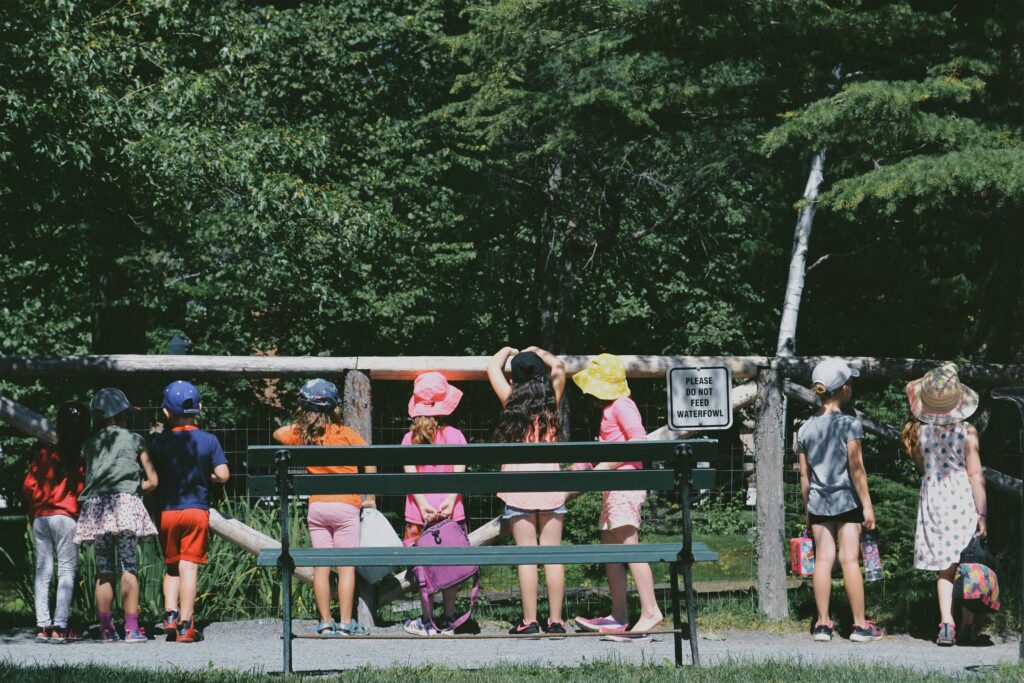
Gardening gives children a physical way to connect with the natural world and see their place within it. By participating in a school garden and observing where their food comes from, students gain insight into the bigger picture. They discover how humans are part of complex ecosystems that all impact each other. By growing their own food, it links the disconnect we have from factory or grocery stores to our local food systems. Gardens can be powerful tools for exploring topics like food security, life cycles, natural resources, and understanding the interconnectedness of all living things. When students see how human actions affect the environment, they begin to develop ecological awareness, and a sense of connection to the world around them.
Research increasingly shows that school garden programs do more than support academic learning. They play an important role in encouraging environmental citizenship, land stewardship, and ecological literacy. Gardens also provide a meaningful way to introduce Indigenous Peoples’ knowledges into the classroom, highlighting the cultural connections to the land and Indigenous Peoples’ ways of thinking, knowing and being. Through hands-on garden-based learning, students can form place-based connections, develop understanding of ecosystems, their role within them and engage with Indigenous Peoples’ knowledge systems in ways that improve both their understanding of the environment and their relationship to it.
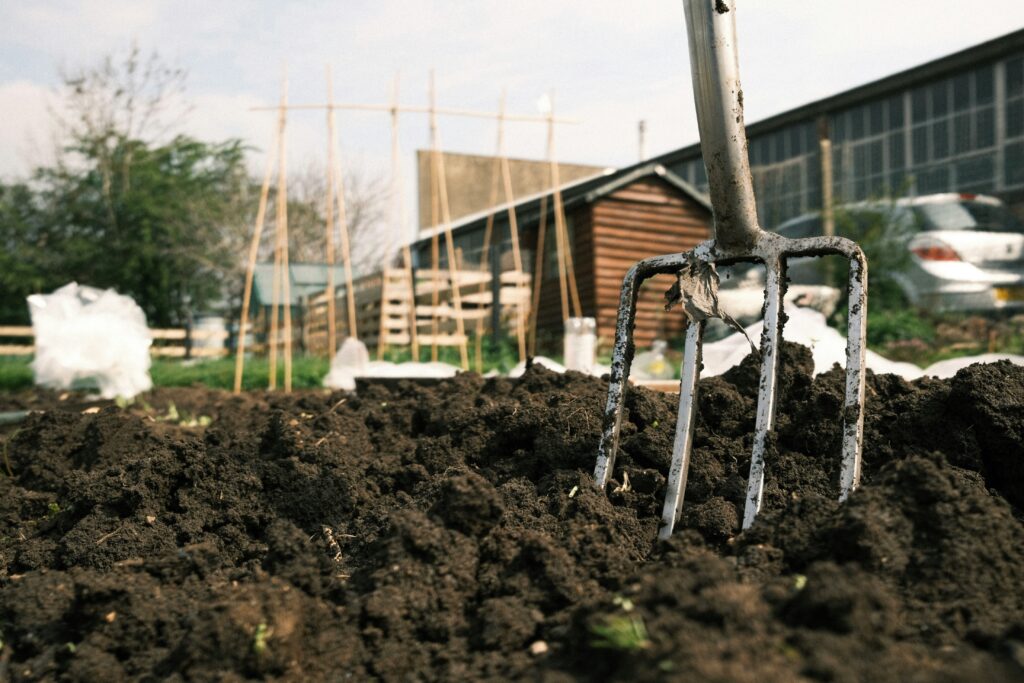
Garden experiences create a foundation of ecological knowledge, wealth and stewardship skills, enhancing an awareness of the link between plants, animals, climate, ecosystems, and the importance of these for our food systems. In other words, you know where you grow. Being a steward of even a small garden plot can create a domino effect of change, great learning can happen from the smallest and mightiest of seeds. Research shows that school gardens function as comprehensive learning environments that promote the cognitive, social and emotional development of children, which in turn gives them the basis of what it means to be an environmental citizen of the world. When children engage in observation, drawing, writing and other active processes involving a school or community garden, they form personal connections and relationships to the land, where place-based learning can occur through a cross curricular lens.
Environmental Citizenship and Gardening
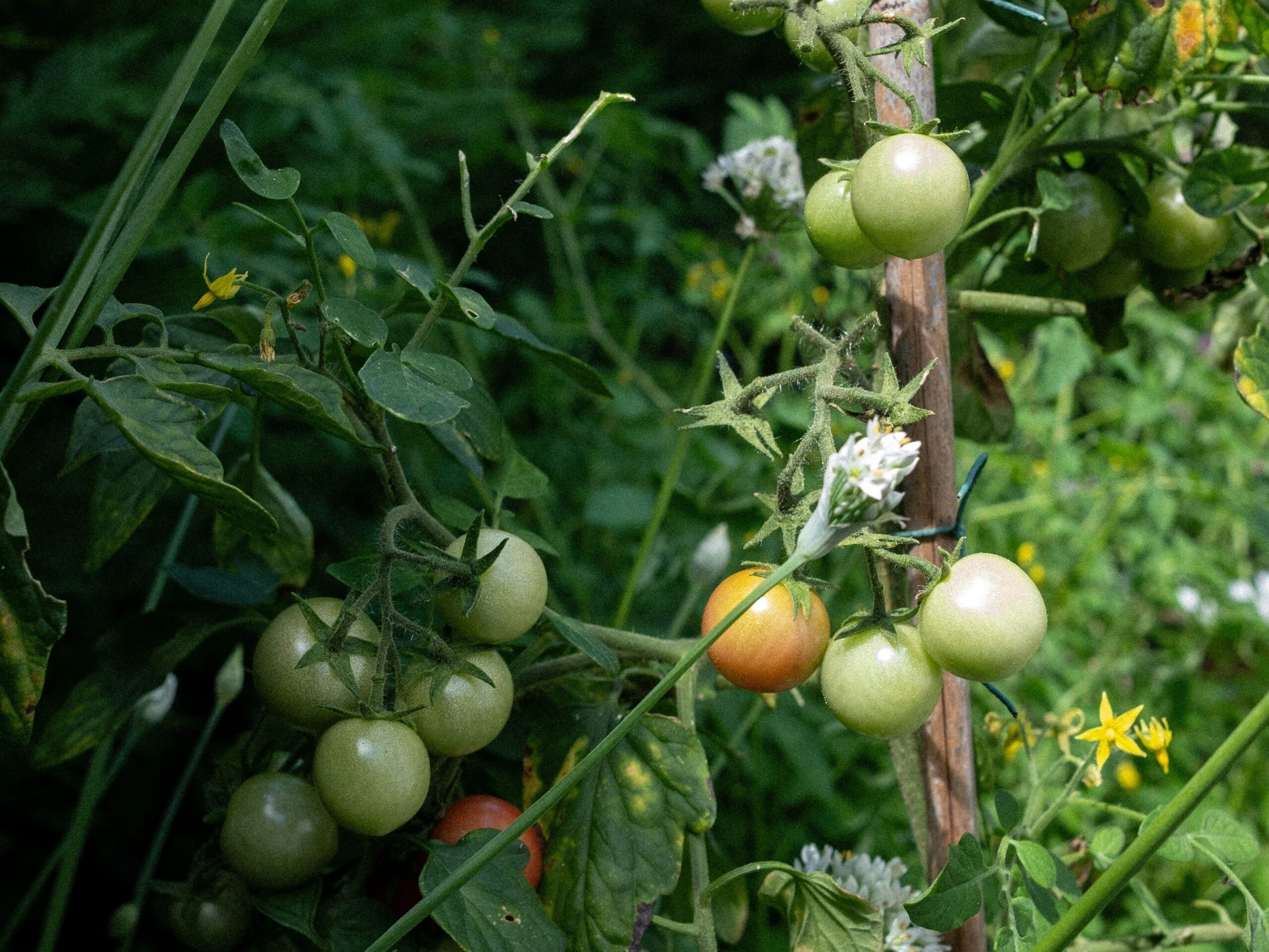
Environmental citizenship refers broadly to the attitudes, behaviors and values that enable individuals to act as responsible stewards of the natural world. Studies of school gardens show that hands-on gardening experiences can shift students’ environmental attitudes. For example, one study I stumbled upon of second-grade students found that after participating in a garden-based insect and nature unit students expressed more concern for insects and more willingness to protect them, indicating the garden had helped them adopt stewardship-oriented attitudes
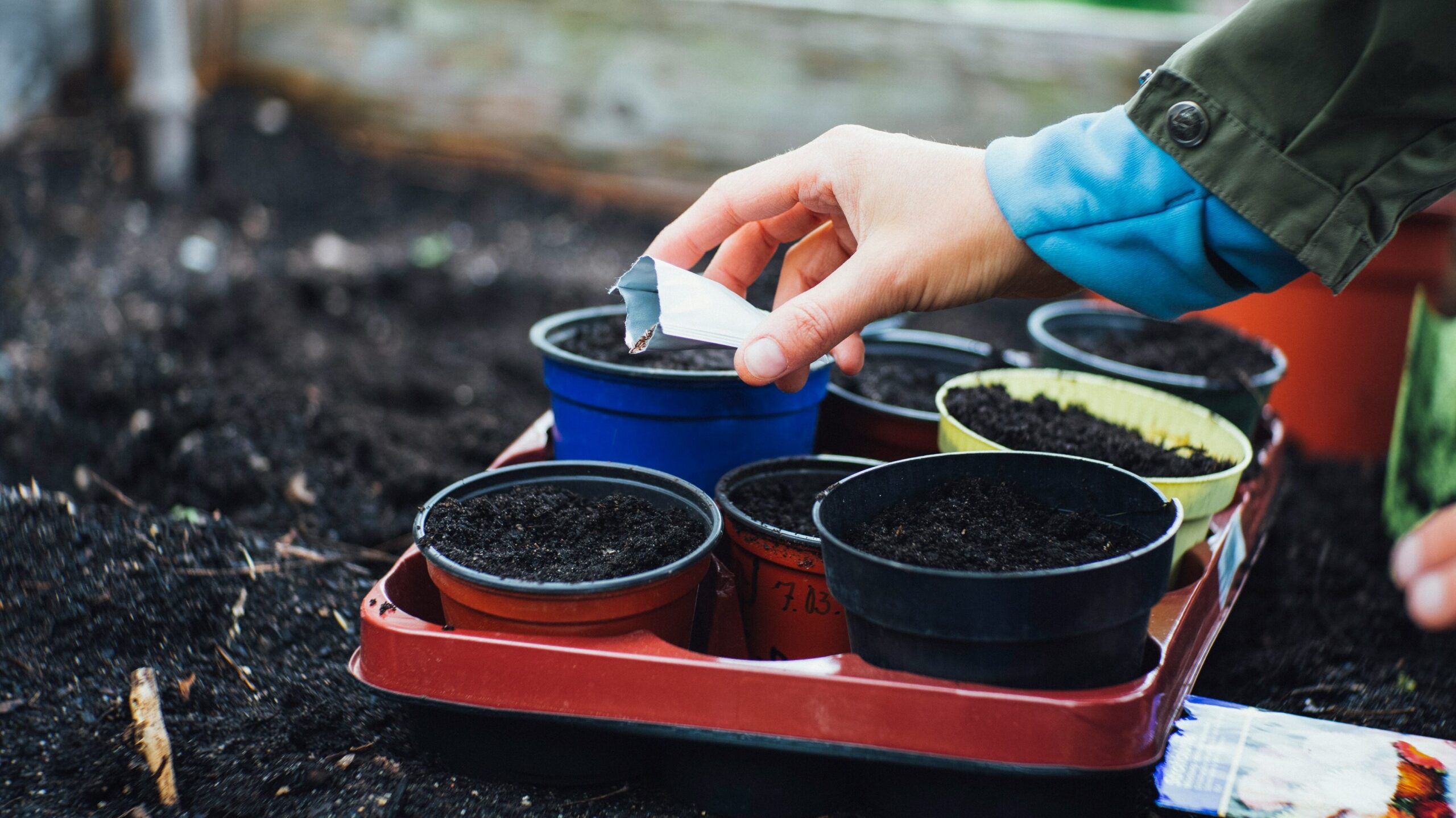
From a teaching perspective, gardens provide concrete opportunities for students to engage with ecological processes. Soil health, plant life cycles, pollinators, and water cycles are all natural systems humans are dependent upon for food. When students plan, plant, manage, and witness garden activities, they move beyond verbal instruction into practice: making decisions, observing outcomes, troubleshooting, and taking responsibility. In doing so, they begin to see themselves as active members in an ecosystem.
Promoting Land stewardship Through School Gardens
Land stewardship implies a caring, sustained relationship with the land and its non-human inhabitants. School gardens offer an accessible way to create such relationships. When students develop a sense of ownership over a garden space, they are more likely to feel responsible for its outcomes. Over time, this responsibility can extend outward from the school garden into the broader community. Gardening also provides a platform for inquiry into local environmental issues (water use, invasive and native species, pollinators and climate change) thereby making students more aware of and engaged in sustainable land-use practices.
Incorporating Indigenous Peoples Knowledges Through Gardens
Garden-based education provides access to bring Indigenous Peoples’ knowledges of their homelands, sometimes known as Traditional Ecological Knowledge (TEK), into classrooms in respectful and meaningful ways. Indigenous Peoples’ knowledge systems connect with land, plants, and ecological relationships, offering perspectives that challenge conventional Western ecological education by emphasizing reciprocity, and intergenerational responsibility. Land-based learning research offers a compelling example: through garden and land-based practices guided by Indigenous knowledges, students cultivated deeper ecological awareness and cultural resilience. Moreover, the establishment of the xʷc̓ic̓əsəm Garden at UBC Farm illustrates how Indigenous-led land-based pedagogy rooted in “food is medicine” can intersect with school-garden learning. UBC Farm
For school gardens, this means intentionally planting native plant species, pollinator habitat and could include medicinal plants, and cultural stories about plant-people relationships. It also means collaborating with Indigenous knowledge holders, elders, and community members, not merely using Indigenous content superficially, but working in partnership with community members that respect relational accountability and place-based knowledge. Ethical Integration of TEK in education helps students understand that ecological stewardship is not purely scientific or technical, but steeped in cultural values, community health, and ongoing relationships with the land.
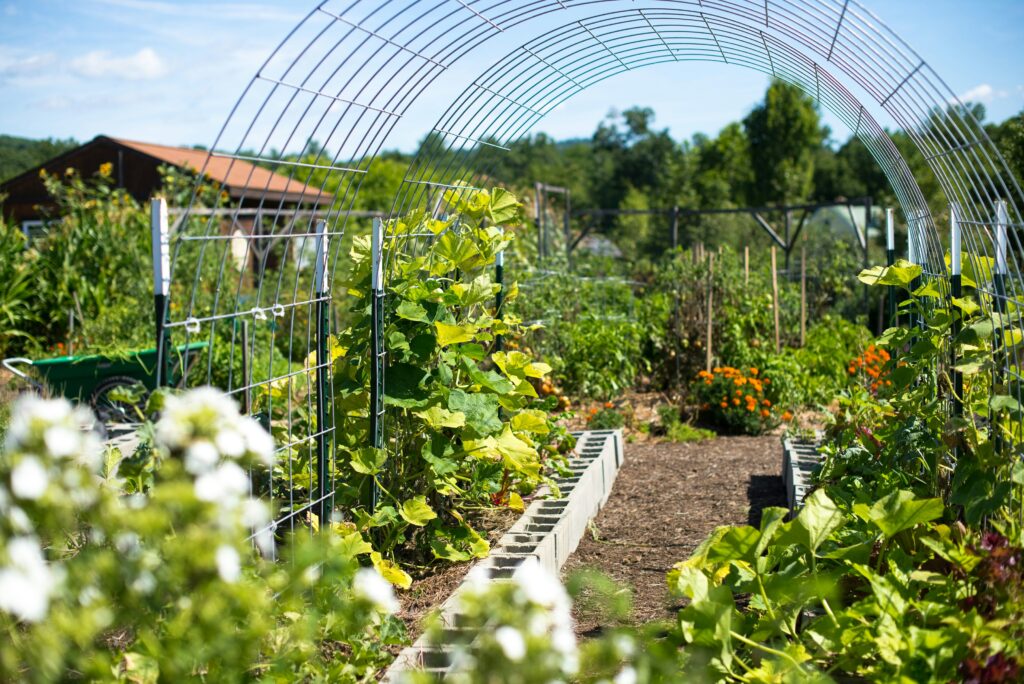
When thoughtfully executed, school gardens can do so much more than grow plants: they can cultivate students’ identities as part of the land, and maybe one day help us make this world a better place. (are you sick of me harping on about the benefits of gardening yet?) Hope not! because next week we are discussing how gardens build community, relationships and reciprocity.
Here are more videos to explore:
Unsplashed Photography:
Photo by Jonathan Kemper on Unsplash
Photo by Markus Spiske on Unsplash
Photo by Roberto Catarinicchia on Unsplash
Photo by Markus Spiske on Unsplash
Photo by Madita Luisa on Unsplash
Photo by Zoe Richardson on Unsplash